

Cover design captures these three core points, even ordinary books can be eye-catching

Many friends often ask, "Why do some books want to buy just by looking at the cover, while others don't even want to flip through?" In fact, "exquisite" cover design is never about piling up gorgeous elements, but like cooking - ingredients (content), seasoning (color), and plating (material) must be just right to make people's hearts flutter at first glance. Today, we will break down three key steps to help you understand the "exquisite password" of cover design.
Step 1: Let the cover "tell the truth", content is the root of design
Many people, when making a cover, always think about "how to look good, how to come", but overlook the most basic point: the cover is the "face" of the book, and the first thing to tell the reader is "what I am". Design that is detached from content, no matter how magnificent, is still a castle in the air.
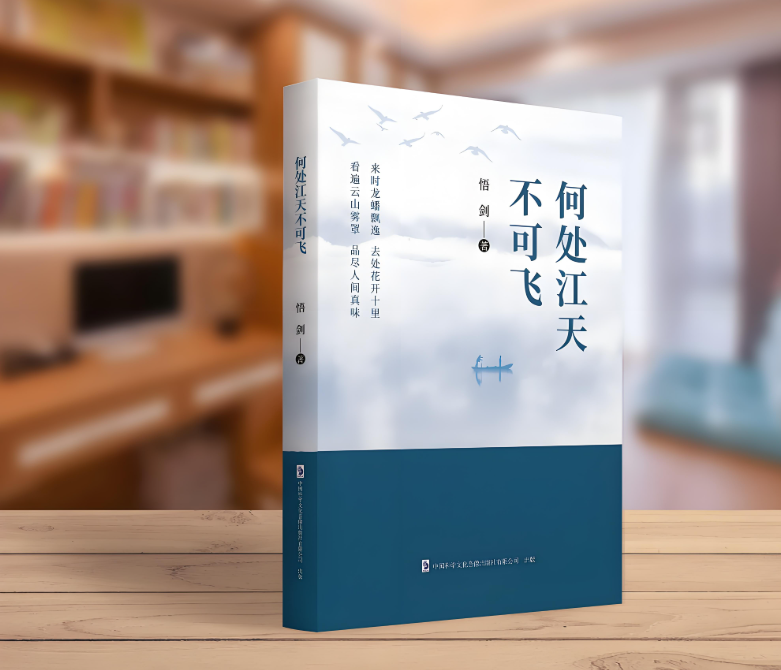
For example, if the content of prose and essays is mostly delicate reflections on life, the cover is suitable for using simple lines and soft imagery (such as fallen leaves and window scenery). Being too flashy can dilute the warmth of the text;
If it is a hardcore science popularization book that talks about knowledge such as the universe and physics, with abstract geometric shapes and cool toned starry sky elements on the cover, it can intuitively convey a sense of professionalism. If cartoon illustrations are used, it will appear inappropriate;
The cover of a children's picture book should fit the child's perspective - bright colors, cute animal images, and let the child know at a glance that 'this is a book for me';
Suspense novels often use dark tones and close-up shots (such as bloody keys or half closed doors) to create a sense of tension visually, echoing the "suspense" of the content.
Remember: the first step in cover design is to extract the "soul" of the book. It can be a core image, an emotion, or even a keyword, such as a book about tea ceremony, with a minimalist tea leaf cover that is more charming than a pile of patterns - because it accurately points to the content.
Step 2: Set the tone with colors to immerse the reader in the play at a glance
Color is the first impression that a cover gives people, just like the clothes worn when meeting. Choosing the right style can make people feel the desire to "know". There is no absolute goodness or badness in color, the key is to be in harmony with the content.
Healing themed content (prose, life aesthetics): Suitable for using Morandi color scheme, low saturation pink, light green, and beige, these colors have a gentle feeling and can make readers associate them with "quiet" and "comfortable". For example, Li Juan's prose cover often uses light yellow and light blue, which perfectly blend with the grassland and life atmosphere in her works;
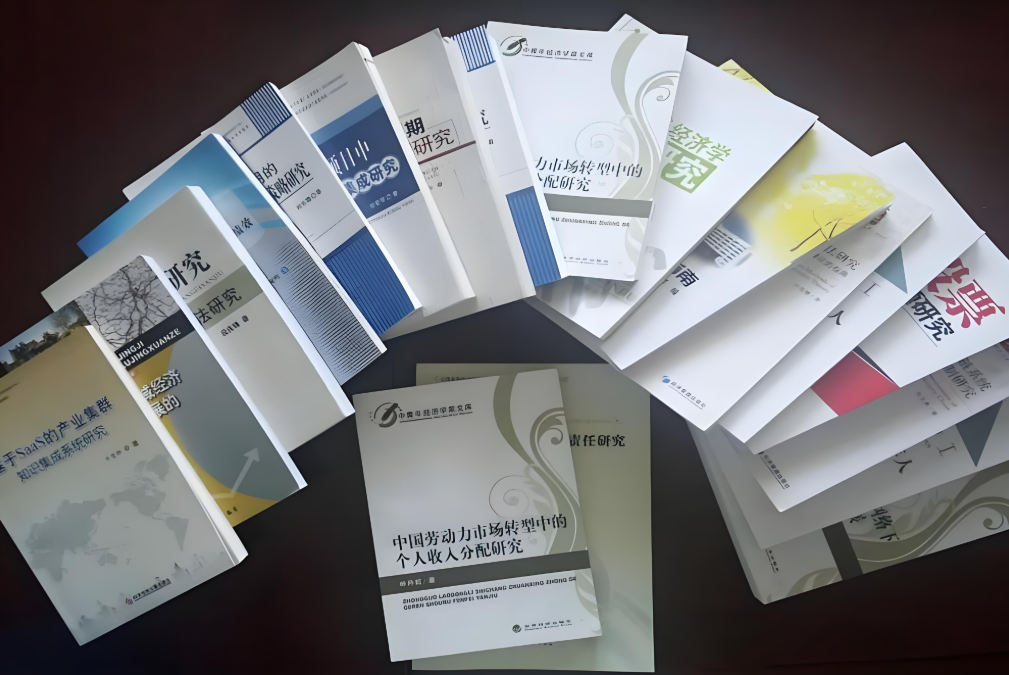
Professional books (workplace, science popularization): Black, white, gray, navy blue, and dark green are safe choices, as these colors come with a "rigorous" and "reliable" temperament. For example, many economics and psychology books have black covers with a small amount of bright text, which is neither flashy nor professional;
Vitality oriented content (youth novels, inspirational stories): You can boldly use high saturation colors, such as bright yellow, orange red, and bright blue, to convey a sense of "enthusiasm" and "positivity". For example, some youth literature covers can be designed with contrasting colors to immediately capture the attention of young readers;
Thick and heavy content (history, philosophy): earthy colors such as earthy yellow, ochre, and dark brown are more suitable, as they have a texture of "time sedimentation". For example, books about Dunhuang history use earthy yellow tones on the cover, paired with hot stamping patterns, as if they can make people feel the weight of thousands of years of wind and sand.
Tip: Don't use too many colors, control the main color tone of the cover within 2-3, and avoid stacking "rainbow colors". For example, a book about the four seasons uses light green (spring) and orange yellow (autumn) as the main colors, with white as a transition, which not only echoes the content, but also is clean and not messy.
Step 3: Choose the right material to give the cover a tactile texture
If content is the soul and color is the temperament, then material is the "skin" of the cover - good materials can make the design "land" and even enhance the level of the book, making people feel "worth it" when they get it in their hands.
Literary and artistic books (poetry, prose): It is recommended to use special paper (such as kraft paper, cotton and linen paper), which has its own texture and feels good to the touch. It can be paired with hot stamping and silver stamping techniques. For example, poetry collections can use off white cotton and linen paper covers with silver book titles, which are simple yet sophisticated, with a touch of tenderness;
Children's picture books: It is best to use copperplate paper with glossy film, which not only has bright color printing, but also is wear-resistant and dirt resistant, making it less likely for children to break even when flipping it over;
Hardcore reference books: You can choose thicker cardboard with embossed covers, such as legal and engineering books. Thick materials can convey a sense of authority and make people feel that the content is solid;
Niche design books: You can even try special materials, such as bare spine lock thread (can be spread flat), cloth surface decoration, partial UV (making text or patterns have a raised feeling), such as a photography book, with frosted paper cover and partial UV printed photo outline, the tactile concave convex feeling can call the theme of "light and shadow".
Reminder: The more expensive the material, the better, but it should match the positioning of the book. For example, a life guide with affordable pricing, using ordinary copperplate paper and simple design is enough; But if you want to make a collectible album, then special paper and fine decoration craftsmanship are very necessary.
Finally, I would like to say that the essence of a beautiful cover is' just right '
After reading these, you will find that "exquisite" cover design never relies on "stacking materials", but on "fitting" - fitting the soul of the content, meeting the expectations of readers, and fitting the positioning of the book.
So, next time when making a cover, don't rush to find a "good-looking template". First, think about what your book is about and how you want to give readers a feeling - think about these things clearly, and the design will naturally have direction. After all, a cover that can make people 'heart flutter at first glance and then fall in love' is truly 'exquisite'.













Please first Loginlater ~