

400 8888 8888
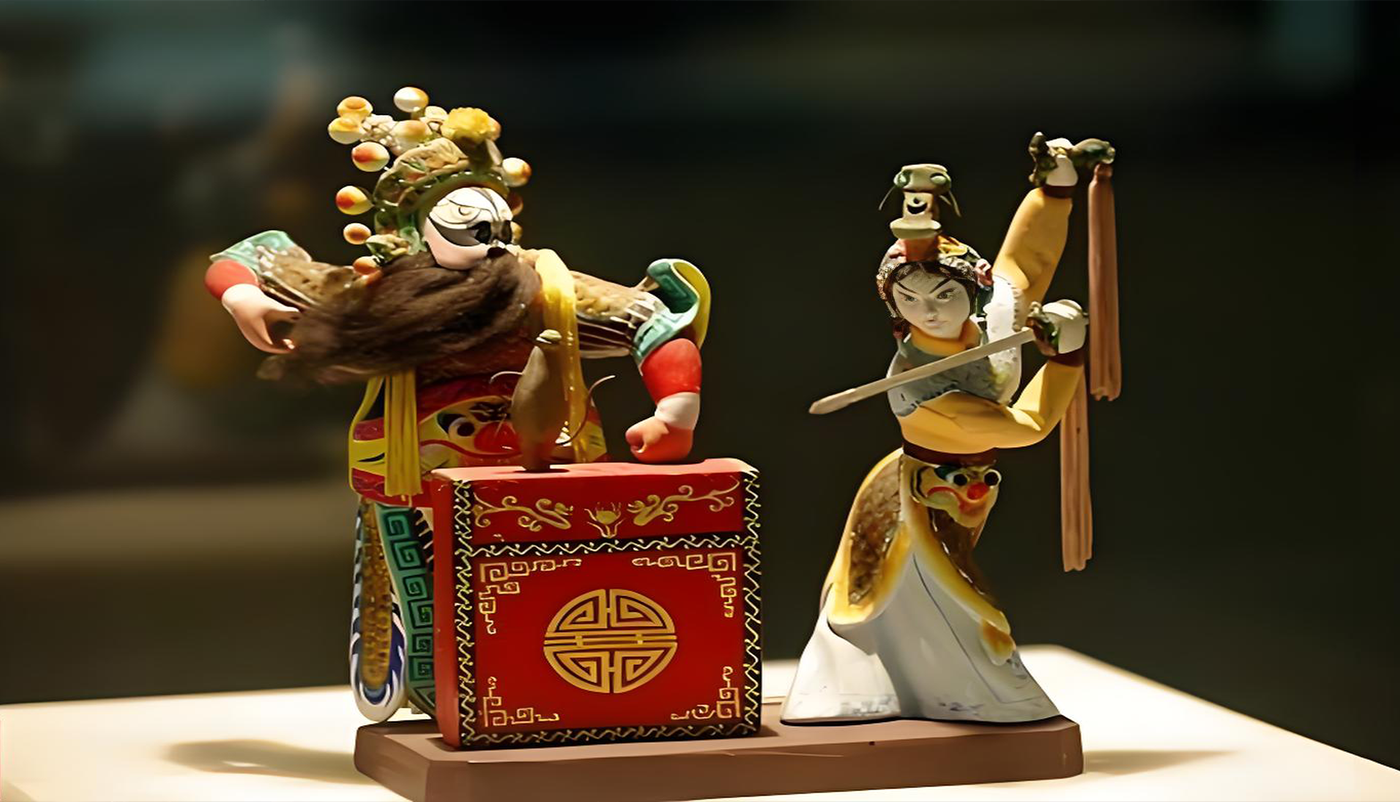
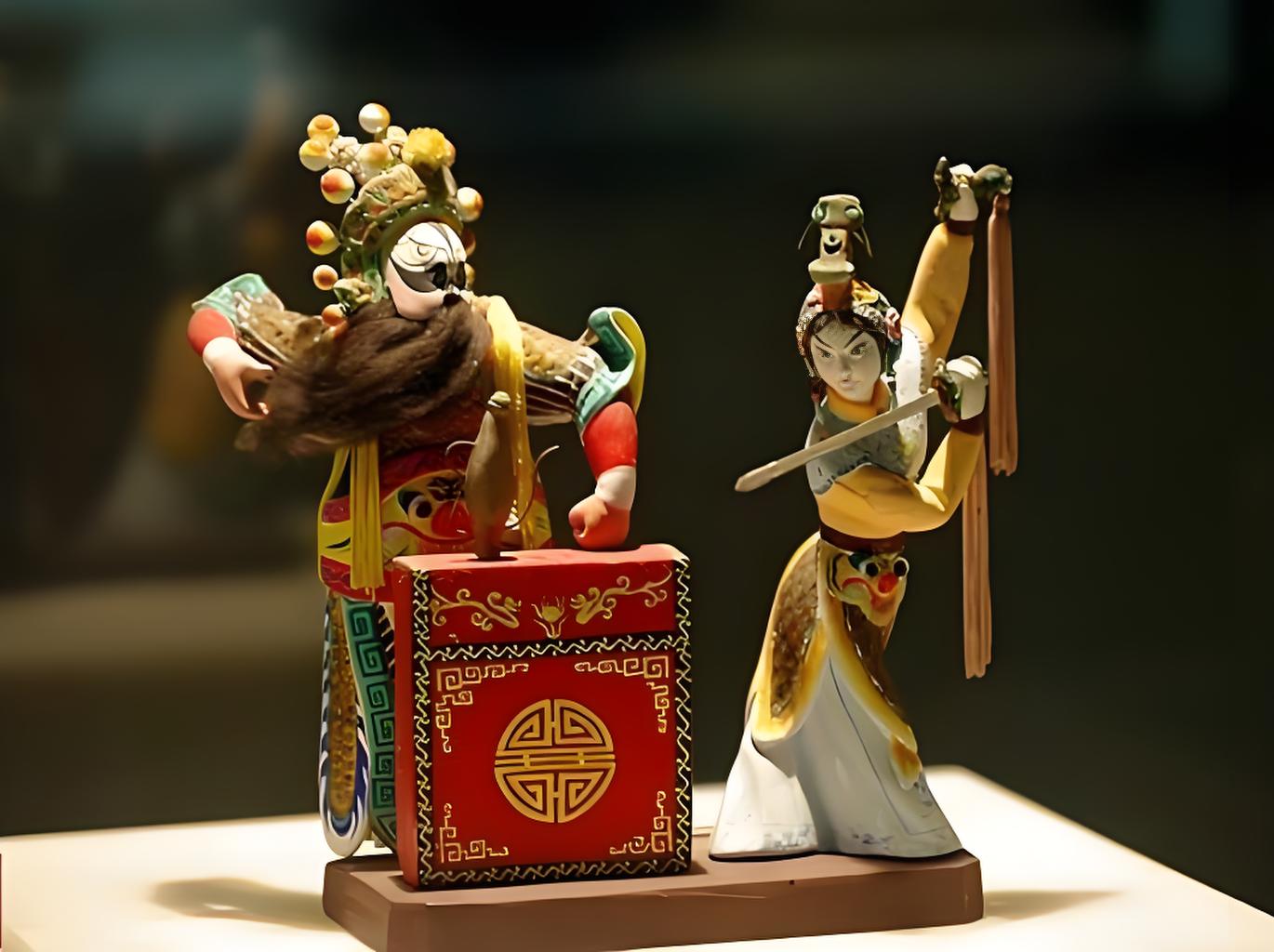
A provincial intangible cultural heritage protection center is facing problems such as non-standard inheritance, difficulty in innovation and transformation, and lack of intellectual property protection in the inheritance and revitalization of intangible cultural heritage. The center has collected 328 intangible cultural heritage projects, but most of them rely solely on oral transmission from master to apprentice, lacking systematic technical norms and inheritance standards, resulting in some skills facing the risk of loss; At the same time, the indiscriminate use of intangible cultural heritage elements in the development of cultural and creative products has led to frequent infringement and counterfeiting, and the rights and interests of inheritors have not been protected, which has hindered the commercialization of intangible cultural heritage.
After our intervention, we will develop a comprehensive solution of "standardized inheritance+intellectual property empowerment". In terms of standardization construction, 10 representative intangible cultural heritage projects (such as traditional embroidery, ceramic firing, etc.) will be selected to assist in the development of the "Regulations for the Protection of Representative Intangible Cultural Heritage Projects", clarifying the core process, key parameters, and inheritance requirements of the skills; Develop the 'Training Standards for Intangible Cultural Heritage Inheritors', establish a 5-level training system and assessment indicators from apprentice to master; Develop a "Guidelines for the Development of Non legacy Cultural and Creative Products" to standardize the principles of extracting, transforming, and using intangible cultural heritage elements.
In terms of intellectual property protection, we will establish a full chain protection system for intangible cultural heritage projects: guide inheritors to register the copyright of core technical processes and representative works, and complete the copyright registration of 86 intangible cultural heritage works; Assist in registering certification trademarks for 15 unique intangible cultural heritage projects, such as "XX Embroidery" and "XX Celadon"; Adopt trade secret protection for 23 traditional techniques such as secret formulas and special crafts, and sign confidentiality agreements; Establish a database of intangible cultural heritage elements to provide authorization basis for cultural and creative development.
After two years of project implementation, the number of inheritors of 10 pilot intangible cultural heritage projects has tripled, and the complete inheritance rate of core skills has increased from 65% to 98%. The sales revenue of non heritage cultural and creative products developed based on standards has exceeded 50 million yuan, and the inheritors have obtained income of 6 million yuan through copyright licensing. Intellectual property protection has successfully prevented 12 cases of infringement, and the influence of intangible cultural heritage brands has significantly increased. The relevant standards have been promoted by the Ministry of Culture and Tourism as a typical case, promoting an average annual growth rate of 20% in the added value of the intangible cultural heritage industry in the province.

Long Press to Scan QR Code
Scan QR Code
