


Software Copyright: A moat or a paper tiger in the digital age?
The legal armor of software copyright
In today's digital age where code is wealth, software copyright is like the legal armor carefully woven by programmers. It protects the hard work of developers day and night, transforming lines of code from simple text into legally binding intellectual property. According to the Regulations on the Protection of Computer Software, software copyright automatically arises from the date of completion of the work and does not require any registration procedures. But in reality, many companies still choose to register their copyrights because it is like putting stronger armor on their software.

The scope of copyright protection includes all forms of expression such as program code, documents, flowcharts, etc., but does not include ideological content such as algorithms and processing procedures. This is like protecting the textual expression of a novel, rather than protecting the plot design of the novel. This protection method forms a unique line of defense in the digital world, allowing innovators to create with peace of mind without worrying about their ideas being easily plagiarized.
Offensive and defensive battles in infringement disputes
When software copyright is challenged, the court becomes an alternative battlefield for code masters. The evidence collection process is often the most critical battle, where the plaintiff needs to prove that the defendant has been exposed to the original code and that there is substantial similarity between the two. In recent years, with the advancement of code comparison tools, this proof has become increasingly accurate. But cunning infringers can also use code obfuscation, refactoring, and other means to evade detection, just like putting a "vest" on plagiarized code.
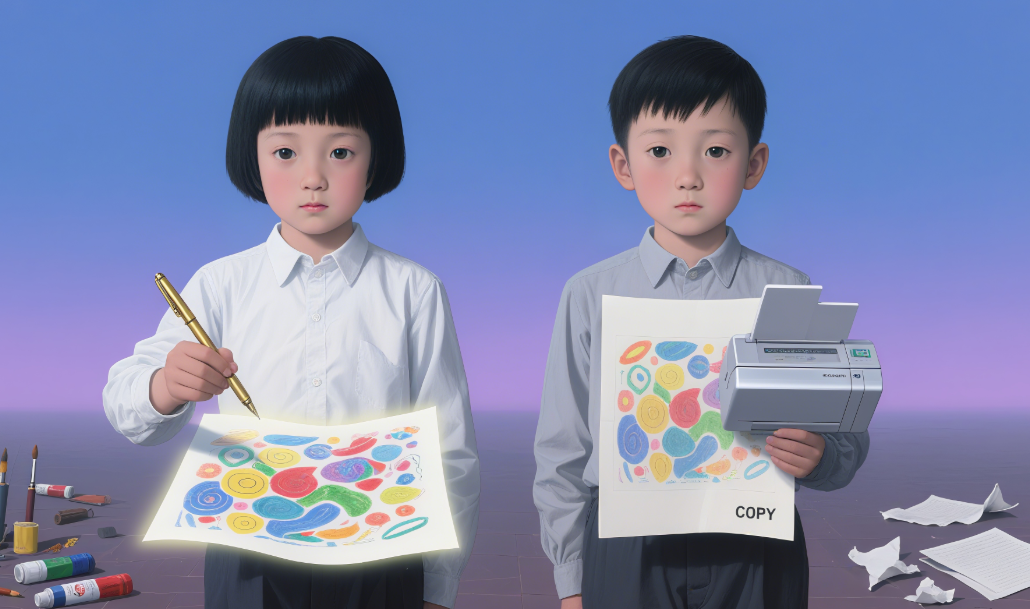
A typical case is a well-known company suing a competitor for interface plagiarism. Although the underlying code was completely different, the court ultimately determined that the user interface design constituted substantial similarity and awarded huge losses. This case reminds us that the scope of software copyright protection is constantly expanding, extending from simple code protection to the level of user experience. In the era of mobile Internet, the overall "look and feel" of an APP may become the object of copyright protection.
The Copyright Game between Open Source and Commerce
Under the impact of the open source wave, the traditional concept of software copyright is facing restructuring. GPL, Apache, and other open source agreements have created a new model of "limited sharing" copyright, allowing others to use the code but subject to specific conditions. This model is like establishing a "knowledge sharing community" in the digital world, which not only protects the rights of original authors but also promotes the dissemination of technology. But commercial companies must be extra careful when using it to avoid falling into the trap of "open source pollution".
It is interesting that some companies intentionally use open source code for commercial products, betting that the original authors will not or will not be able to protect their rights. This kind of 'infringement economics' calculation often puts software copyright in an awkward position. After all, for a startup, a copyright lawsuit could mean disaster. This also explains why more and more developers choose to host their works on platforms such as GitHub, leveraging the power of the community to protect their rights.
Upgrading the defense of future wars
With the rise of AI generated code, software copyright is facing unprecedented challenges. If a piece of code is automatically generated by AI, its copyright ownership will become unclear. The legal community is actively discussing this issue, attempting to find a balance between encouraging innovation and protecting originality. Perhaps in the future, software copyright registration will increase the certification requirement for the "proportion of manual creation", just like distinguishing "organic food" from "manual code" now.
Blockchain technology provides new ideas for copyright protection. By putting the code hash value on chain, an immutable proof of creation time can be created. This technology is equivalent to adding a digital timestamp to the code, making it impossible for infringers to justify the lie of "independent creation" anymore. In the foreseeable future, software copyright protection will become more intelligent and automated, but what remains unchanged is its protection of the spirit of innovation.









Please first Loginlater ~