

Driven by policies, the national, enterprise, and industrial association standardization systems are reaching new heights.
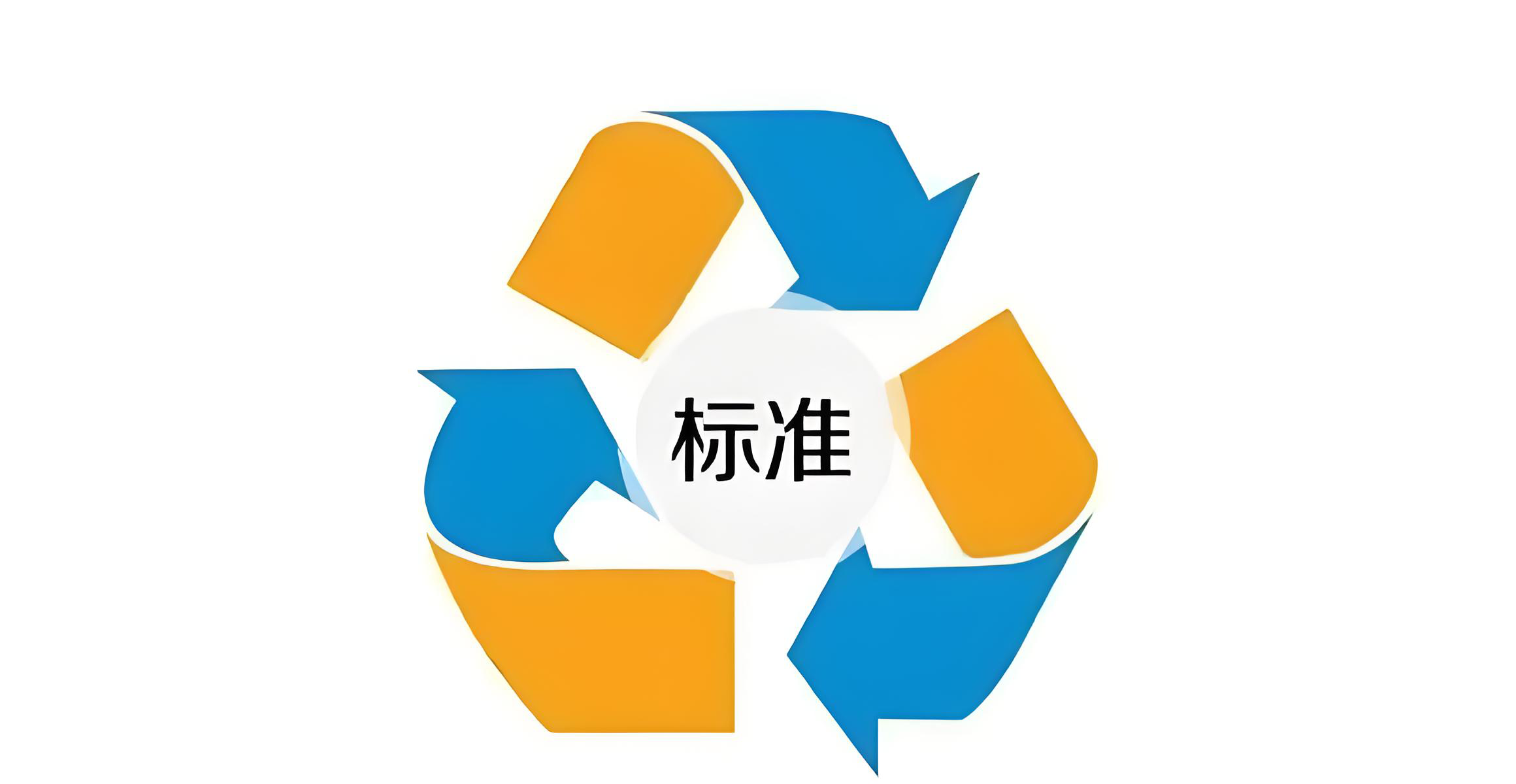
In recent years, the country has attached increasing importance to standardization work, and a series of supportive policies have been introduced to promote the continuous improvement of the standardization system composed of national standards, enterprise standards, and group standards, reaching new heights and providing strong technical support for economic and social development.
In terms of national standards, policies continue to promote the optimization and updating of the national standard system. The Outline of National Standardization Development issued by the National Standardization Administration clearly stated that the formulation and revision of national standards in key areas should be accelerated to improve the progressiveness and applicability of national standards. Under policy guidance, various industries actively responded and carried out national standard formulation work for emerging industries and key areas. For example, in the field of artificial intelligence, the country has successively issued multiple national standards on artificial intelligence ethics, data security, and other aspects, providing guidance for the standardized development of artificial intelligence technology. The policy also encourages enterprises and research institutions to participate in the process of formulating national standards, improving the scientific and practical nature of national standards. A national standard for artificial intelligence developed by a certain research institution has been widely recognized and applied in the industry after its release, as it fully combines the actual needs and technological development trends of the industry. According to statistics, in 2024, China will release more than 1800 national standards, of which the proportion of national standards in emerging fields will reach 35%, a significant increase compared to previous years.
In terms of enterprise standards, policies focus on stimulating the enthusiasm and innovation of enterprises in formulating standards. The state implements a system of self declaration and disclosure of enterprise standards, encouraging enterprises to develop enterprise standards that are higher than national and industry standards, and showcasing their technological advantages. The policy also provides guidance and services for the formulation and implementation of enterprise standards, supporting enterprises to improve product quality and brand image through standardization. With policy support, a certain equipment manufacturing enterprise has invested a large amount of resources in developing enterprise standards. Its products have better indicators in precision, reliability, and other aspects than national standards, and have successfully entered the international market with high-quality products. In order to encourage enterprises to participate in standardization work, some local governments also provide financial incentives and policy support to enterprises that develop advanced enterprise standards, further stimulating their enthusiasm for standardization. In 2024, the number of self declarations of national enterprise standards will exceed one million, and the awareness and ability of enterprise standardization will be significantly improved.
In terms of group standards, policies strongly support the development of group standards, making them an important supplement to national and industry standards. The state has clarified the legal status of group standards and encouraged organizations such as societies, associations, and chambers of commerce with corresponding capabilities to develop group standards to meet market and innovation needs. The policy also guides the development of youth league standards towards high-end and specialized directions, and supports them to play a leading role in new technologies, new industries, new formats, and other fields. With policy support, a certain robotics industry association has collaborated with key enterprises in the industry to develop multiple group standards. These group standards have made innovative provisions in robot performance testing, safety regulations, and other aspects, promoting the technological progress and standardized development of the robotics industry. At the same time, the policy has strengthened the supervision of team logos to ensure their quality and credibility. In 2024, the number of newly added group standards in China increased by 40% compared to the previous year, and the role of group standards in regulating market order and promoting industrial upgrading is becoming increasingly prominent.
Under the continuous drive of policies, the standardization system of national standards, enterprise standards, and group standards that coordinate and develop together is constantly improving, providing solid technical support and assistance for the high-quality development of China's economy and society.











Please first Loginlater ~