

180 2409 0112
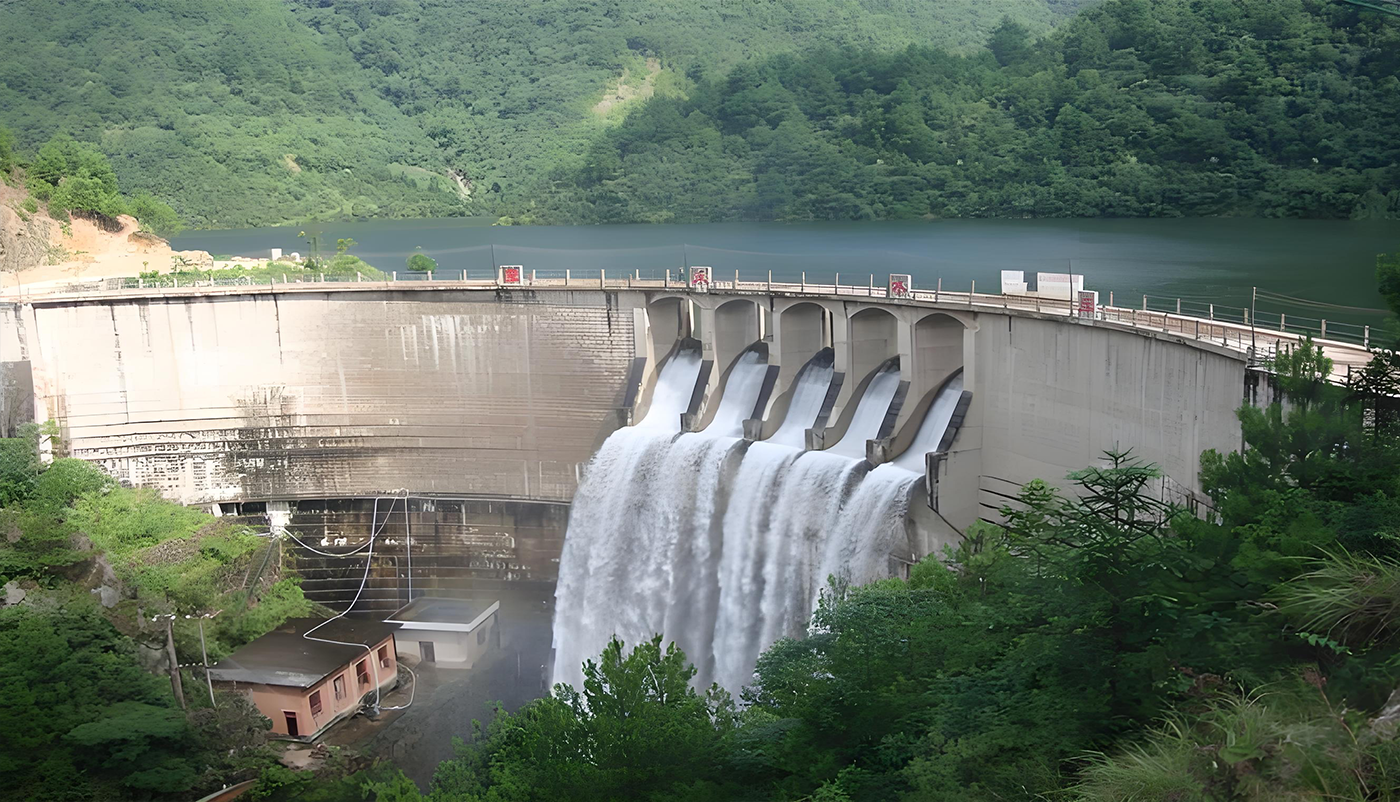
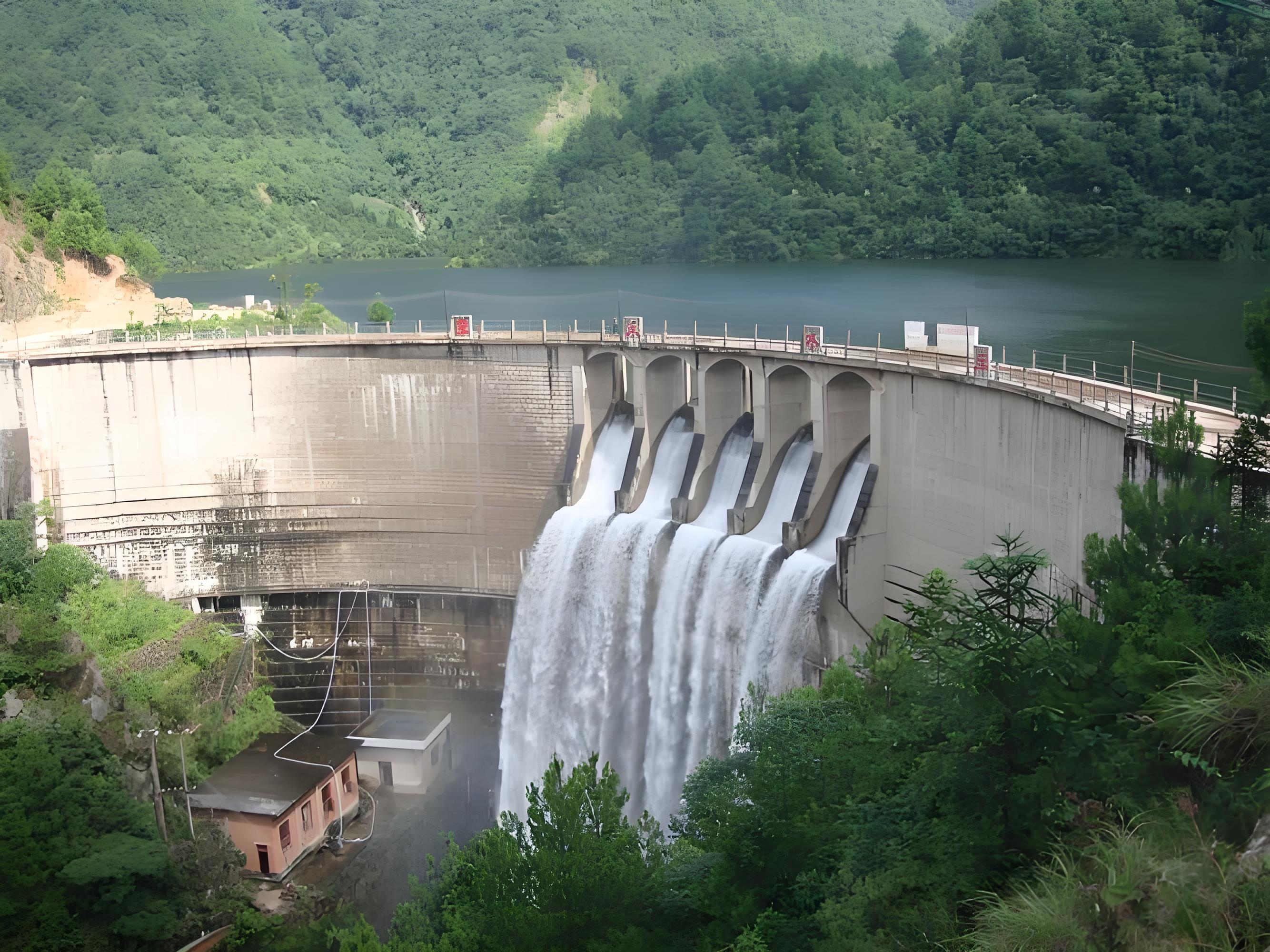
A certain water conservancy and hydropower engineering company encountered difficulties in the research and development of "300 meter high dam intelligent construction and safety control technology" due to scattered patent layout and insufficient academic support. The intelligent temperature control system and digital twin operation and maintenance platform developed by the company for dam concrete have reduced the occurrence rate of dam cracks by 90% and improved the response speed of safety monitoring by 60%. However, the core technology has only applied for 7 patents and has not formed a system protection; At the same time, technological achievements are often presented in the form of engineering reports, lacking high-quality academic paper support and lacking persuasiveness in industry technical evaluations.
Our team conducted in-depth research on the engineering site and identified 7 core innovation points, including intelligent temperature control, geological modeling, and digital operation and maintenance. In terms of patent layout, we assisted in formulating a three-dimensional protection strategy of "technical principles+equipment devices+application methods", and completed 25 patent applications, including 16 invention patents covering key technologies, including core patents such as "an intelligent temperature control method for high dam concrete water supply" and "a dam safety warning system based on digital twins", building a complete technical barrier.
In terms of academic paper conversion, I guided the R&D team to collaborate with universities to conduct experimental research and wrote 5 academic papers on topics such as "Numerical Simulation of High Dam Temperature Field" and "Dam Deformation Prediction Model". By standardizing data collection and analysis methods, the application effects of technology in practical engineering are highlighted, with 3 articles included in the Journal of Hydraulic Engineering and 2 articles published in the Journal of Hydraulic Engineering. Quoting authorized patents as technical support in the paper enhances the credibility and innovation of the research.
After the implementation of the project, the coverage of the enterprise's patent portfolio reached 95%, effectively protecting the core technology. After the publication of academic papers, the technology gained high recognition in the industry and was promoted and applied in six large-scale water conservancy projects, creating a direct economic benefit of 1.2 billion yuan. The collaborative support of patents and papers has helped the technology win the first prize of the China Water Conservancy Engineering Association's Science and Technology Progress Award, promoting the enterprise to become a technology leader in the field of intelligent water conservancy construction.

Long Press to Scan QR Code
Scan QR Code
