

400 8888 8888
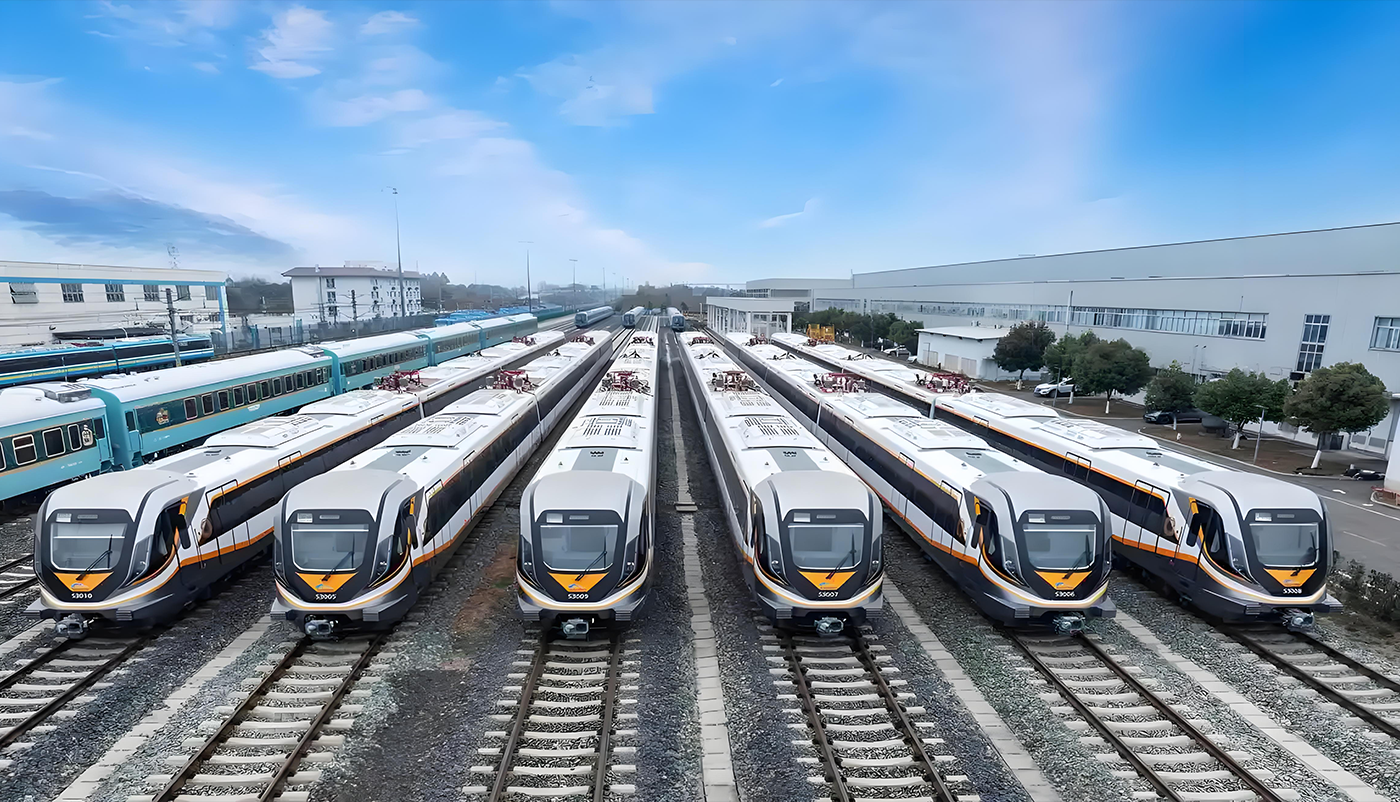
A certain rail transit engineering group has made significant breakthroughs in the research and development of key technologies for high-speed maglev rail systems, but faces the problem of insufficient demonstration of technological innovation and engineering reliability when applying for the Railway Science and Technology Progress Award. This technology achieves a speed of 600 kilometers per hour for maglev trains and controls track smoothness within 0.3mm/m through innovative track structure design and high-precision construction technology. It was successfully applied to the first high-speed maglev test line, but the first award was not approved due to scattered core patent layout and insufficient engineering verification data support.
After our intervention, we conducted a deep analysis of the technical system and extracted three core innovations: firstly, the development of a "long stator linear motor track integrated structure" to solve the problem of traditional track electromagnetic losses and improve energy conversion efficiency by 12%; The second is to develop high-precision leveling technology for ballastless tracks, which achieves a track elevation deviation of less than 0.5mm and a 40% improvement in train operation stability through intelligent monitoring and automatic adjustment systems; The third is to build a "Maglev Track Full Life Cycle Health Management System" to achieve real-time monitoring and predictive maintenance of track status. In response to these innovative points, we have assisted in organizing 35 patent evidence, of which 22 invention patents form a rigorous patent cluster, and core patents such as "a high-speed maglev track dynamic smoothness control method" have become key evidence of technological breakthroughs.
In the construction of the evidence chain for achievement transformation, guide enterprises to collect 3-year operation data of the test line, and present the advantages of the technology in terms of operating speed, energy consumption control, maintenance costs, etc. through comparative analysis. Quantitative data shows that compared with traditional maglev technology, it can save 15% energy and double the maintenance cycle. At the same time, 30 supporting materials including inspection reports and expert review opinions from the China Academy of Railway Sciences were compiled to strengthen the engineering reliability certification of the technology.
The optimized application materials successfully passed the evaluation and ultimately won the first prize of Railway Science and Technology Progress. After winning the award, the technology was included in the "Design Standards for High speed Maglev Transportation" and promoted for application in two newly built maglev lines, with an additional contract amount of 2.8 billion yuan. The patent cluster helps enterprises gain a voice in international maglev technology competition, reaching technology cooperation agreements with foreign enterprises and achieving a technology output revenue of 120 million yuan.

Long Press to Scan QR Code
Scan QR Code
